
How to Master Black Tie Without the Panic
Why does a black tie invitation create more dread than anticipation? The answer is usually not a lack of style, but a lack of certainty. Terms such as “formal,” “black tie,” and “evening wear” can sound like a test with invisible rules, especially when the event promises cameras, influential guests, or a ballroom filled with people who appear to have dressed for an awards-season finale.
The good news is that black tie is less mysterious than it looks. Its cinematic lineage runs from Old Hollywood premieres, where dinner jackets and sweeping gowns helped define glamour, to modern galas that reinterpret those codes through sharper tailoring, sculptural silhouettes, and expressive color. The essential mindset shift is simple: formalwear should not make you feel like you are wearing a costume. It should make your best proportions, preferences, and presence unmistakably visible.
Decoding Formal Silhouettes Across the Spectrum
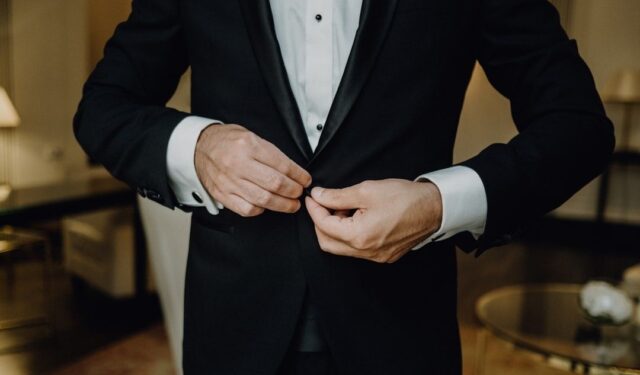
A classic tuxedo is defined by construction, not merely by its black color. The key signal is satin or grosgrain silk on the lapels, trouser braid, and often the buttons. A single-button jacket with peak or shawl lapels offers the cleanest formal line, while a spread-collar white shirt, black bow tie, covered waistband, and polished black shoes complete the traditional formula. A standard business suit may be beautifully made, but it generally lacks those satin details and is therefore not a true substitute when an invitation explicitly says black tie.
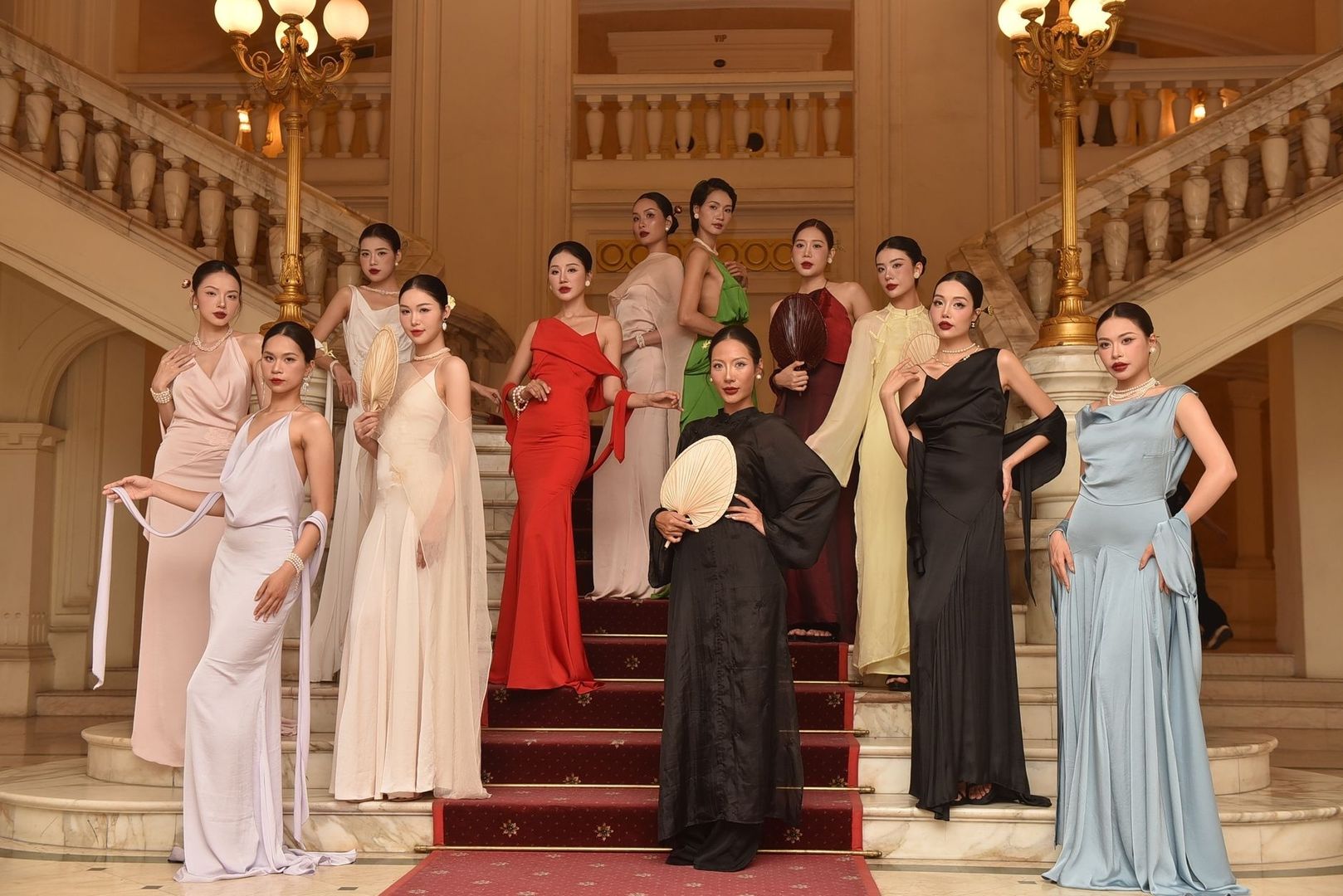
For women and anyone choosing a gown-based interpretation, black tie traditionally points toward a floor-length evening dress. That does not mean every formal look must be a column of black fabric. A full skirt, a fluid silk gown, a velvet dress, or a carefully embellished silhouette can all work when the proportions feel intentional. Architectural ball gowns create the most theatrical effect through corsetry, volume, and a defined waist. A tailored formal jumpsuit or women”s tuxedo provides a modern alternative, particularly when it uses luxurious fabric and a strong, uninterrupted line. When evaluating your formal wardrobe options, curated evening dresses and tuxedos can help establish which silhouette feels most natural before you commit to accessories or alterations.
| Classic evening element | Modern red carpet interpretation |
|---|---|
| Black wool tuxedo | Midnight blue, deep burgundy, textured black, or a subtle jacquard |
| Peak or shawl lapels | Sculpted, oversized, or contrasting lapel treatments |
| Floor-length gown | Structured jumpsuit, tailored column, or dramatic architectural ball gown |
| Black bow tie | Self-tie bow, tonal neckwear, or a deliberately minimal open collar where permitted |
| Classic patent shoes | Velvet slippers, crystal-accented loafers, or sharply polished formal oxfords |
The safest way to interpret the spectrum is to read the invitation and assess the venue. A state-room gala, museum fundraiser, or formal evening wedding usually rewards traditional restraint. A fashion benefit, film premiere, or creative wedding may welcome jewel tones, dramatic sleeves, brocade, or a statement jacket. The goal is not to outshine the host. It is to understand the occasion well enough that experimentation looks deliberate rather than accidental.
The Tactile Power of Velvet, Mikado, and Silk
Fabric is where formalwear gains its cinematic depth. Velvet, with its dense pile and changing surface, has a particularly strong evening history. Early smoking jackets were associated with private rooms and cigar culture, and their dense texture helped absorb lingering tobacco smells. Over time, the smoking jacket became more decorative, while the dinner jacket evolved as a more comfortable alternative to the tailcoat. Contemporary velvet dinner jackets now resemble formal tuxedo jackets in cut, even when they introduce navy, burgundy, racing green, or another rich shade.
Velvet is especially effective at autumn and winter galas because it has visual weight and tactile warmth. It is generally less formal than a classic black wool tuxedo, so it may not be the ideal choice for the most traditional ceremony or diplomatic occasion. At a gala with some stylistic latitude, however, a velvet jacket can deliver red carpet energy without requiring an elaborate outfit. Keep the supporting pieces quiet: black tuxedo trousers, a crisp white shirt, and restrained accessories allow the fabric to provide the wow factor.
Mikado silk creates a different kind of drama. Compared with lightweight satin, heavy Mikado has enough body to hold pleats, preserve architectural volume, and support a sculpted bodice. A strapless ball gown with a corset panel and full pleated skirt is an iconic example of how fabric weight can turn a simple color into a commanding silhouette. Structured corsetry also helps drapery fall cleanly, though it should never restrict breathing, sitting, or movement through a long evening.
- Velvet adds depth, absorbs light, and works especially well in cool weather.
- Mikado silk supports volume, pleats, corsetry, and crisp architectural shaping.
- Silk satin reflects light beautifully but requires careful fit because ripples are highly visible.
- Chiffon and lace create softness, though they need thoughtful lining and construction to avoid appearing flimsy.
- Wool remains the most versatile tuxedo fabric because it holds a clean line across seasons.
Bright event lighting exposes weak fabric choices quickly. Thin material may cling, wrinkle, or appear flat in photographs, while a substantial weave gives the garment presence from the ballroom entrance to the final flash. Vogue”s black tie dress code guide similarly emphasizes evening fabrics such as velvet, chiffon, silk, and lace, while noting that the venue, invitation, and host”s expectations should guide the final interpretation.
The Practical Art of Luxury Rental and Tailoring Hacks
Rental can be the smartest route to a convincing formal look, especially when the event calls for a garment that would otherwise sit unworn for years. The crucial distinction is between renting a garment and simply wearing it straight from the box. A rented tuxedo or gown becomes persuasive when the shoulders, sleeve length, trouser break, waist, and hem are adjusted to the wearer”s body.
Temporary alterations can create a surprisingly bespoke effect. Trouser hems may be adjusted with discreet temporary tape, a loose waistband can be secured with a professional clip or carefully placed alteration, and dress straps can be stabilized with fashion tape. These are refinements, not substitutes for proper tailoring. Anything that changes the garment”s structure, pulls at a zipper, or compromises movement should be handled by a tailor or returned for a better size.
Subscription services and specialist rental houses can also provide access to designer accessories, handbags, jewelry, and formalwear without the full retail cost. Services profiled by Vogue”s rental guide range from multi-item clothing memberships to accessory-focused options. Compare cleaning policies, delivery windows, insurance terms, alteration allowances, and replacement costs before booking. A low headline price is less appealing if a late shipment leaves no time for correction.
- Test the full outfit early. Try on the garment with the intended shirt, undergarments, shoes, and accessories at least several days before the event.
- Steam, do not scorch. Use a steamer on suitable fabrics, keep distance from velvet, and follow care instructions for delicate silk or embellished pieces.
- Pack fabric tape and pins. These can secure a slipping strap, stabilize a pocket square, or prevent a shirt gap, but test them on an inconspicuous area first.
- Match shoes before hemming. Trouser length and gown hems depend on the actual footwear, including heel height and sole thickness.
- Plan the return. Keep the original packaging, note the return deadline, and avoid spills or improvised cleaning that could create damage fees.
The rental preparation checklist should also include the venue itself. Outdoor arrivals require a weather plan, while historic buildings may involve cobblestones, stairs, or long walks between transportation and the entrance. A formal garment should look composed in motion, not only while standing still under ideal lighting. Comfort is not a compromise here. It is part of the tailoring strategy because discomfort changes posture, expression, and confidence.
Finishing Touches That Command the Room
Accessories should complete the silhouette rather than compete with it. A self-tie bow tie has a subtle irregularity that looks more natural than a perfectly manufactured pre-tied version, and learning to tie one is a small ceremony that immediately clarifies the evening”s tone. For a gown, minimalist jewelry can sharpen a sleek neckline, while an architectural cuff, sculptural earrings, or a dramatic brooch can supply a single controlled focal point.
- Choose one hero detail, such as velvet, a jeweled earring, a sculpted lapel, or an expressive clutch.
- Use black, midnight blue, metallic, or deep jewel tones to keep statement pieces connected to eveningwear.
- Select a small bag that holds essentials without distorting the gown or jacket line.
- Coordinate metal finishes across jewelry, cuff links, watch details, and hardware when possible.
- Carry practical supplies discreetly, including blister patches, breath mints, and a compact sewing kit.
Footwear must survive the ballroom as well as the photograph. Patent leather oxfords, formal loafers, and polished pumps offer traditional red carpet polish, but the best choice also provides stable footing and enough cushioning for hours of standing. Avoid debuting painful shoes at the event. Wear them indoors beforehand, check for slipping, and consider thin comfort insoles that do not alter the fit. On a dance floor, shoes stay on; elegance includes respecting the venue and protecting your feet properly.
Finally, borrow posture from Golden Age screen icons without imitating their costumes. Think of the lifted sternum, relaxed shoulders, measured pace, and calm pause before entering a room. Cary Grant”s formalwear looked effortless because the line from collar to shoe was controlled. Grace Kelly”s gowns seemed regal because her movement never fought the fabric. Stand tall, keep the chin level, and allow the garment to move. Poise is the invisible tailoring that makes every visible detail work.
Step onto Your Own Red Carpet with Absolute Poise
Formal dressing is a celebration of self-expression within a shared social language. The rules matter because they show respect for the host and the occasion, but they are not designed to erase individuality. A midnight blue tuxedo, a velvet dinner jacket, a sculptural gown, or a formal jumpsuit can all feel correct when the choice responds intelligently to the event”s level of formality.
Start with fit, then consider fabric, finish, shoes, grooming, accessories, weather, and comfort. Check the outfit in natural light, photograph it from several angles, and practice sitting, walking, and entering through a doorway. When those details are settled, the price tag becomes far less important. The enduring legacy of great formalwear is not extravagance for its own sake. It is the confidence created when every element feels intentional. Arrive early, enjoy the music, accept the compliments, and let the ceremony of the evening become part of the look.