
Why the Best Watch Party Hosts Stay in the Living Room
What separates a memorable awards-night gathering from a stressful one? The host remains in the room when the envelope opens. Too many parties begin with red carpet energy and end with the organizer trapped in the kitchen, reheating food while a surprise winner delivers the speech everyone will discuss the next morning. The solution is not more elaborate cooking. It is smarter timing, food that performs beautifully at room temperature, and a beverage program prepared before the broadcast begins.
Awards viewing deserves more than a stale bowl of popcorn, but it does not need a demanding multi-course dinner that forces guests away from the screen. Think of the living room as a cinematic lounge, with a curated spread designed for grazing, a bar cart that serves itself, and small moments of service concentrated around commercial breaks. A structured Event Checklist and Tips can help balance welcoming guests with keeping every scheduled moment running smoothly. The result is an evening with polish, flexibility, and enough breathing room to savor every speech, upset, musical number, and red carpet entrance.
The Golden Age Blueprint for Batching and Pouring
Single-serving craft cocktails may look impressive, but they create a poor division of labor during a live ceremony. Shaking one drink at a time means measuring, straining, garnishing, washing tools, and missing whatever happens onstage. A batch cocktail offers the same sense of occasion with far less interruption. Prepare it several hours ahead, chill it thoroughly, and pour it from a crystal decanter or glass carafe as guests arrive.
The most effective choices borrow from classic Hollywood without turning the bar into a laboratory. A Boulevardier made with bourbon, sweet vermouth, and Campari brings a deep, glamorous color. A French 75 can be batched before the sparkling wine is added, then finished in each glass with a quick pour. For a lighter option, combine dry vermouth, elderflower liqueur, lemon, and soda just before serving. A heritage-inspired menu can also acknowledge the hospitality associated with Golden Age figures such as Jean Harlow, whose cottage meat pie recipe combines cooked beef, parsley, onion, Worcestershire sauce, pimento peppers, and a buttery mashed-potato topping. The dish is a reminder that vintage glamour works best when it still feels welcoming and substantial.
- Batch one signature drink: Choose a spirit-forward cocktail that holds its flavor when chilled.
- Offer a low-ABV alternative: Use vermouth, sherry, wine, or sparkling water for guests who prefer a lighter pour.
- Build a practical bar cart: Set out labeled carafes, rocks glasses, coupes, ice, cocktail picks, citrus twists, and a small waste bowl.
- Separate garnish from service: Place lemon wheels, cherries, olives, or herbs in covered dishes so guests can finish their own drinks.
- Keep water visible: A chilled pitcher with citrus or cucumber makes hydration feel intentional rather than remedial.
Pacing Your Evening Around the Commercial Clock
A live awards broadcast has a recognizable rhythm even when the exact running order changes. Red carpet arrivals create a relaxed social opening, the ceremony accelerates through award blocks, and commercial breaks provide short windows for refilling, clearing, and checking the food. The goal is not to predict every minute. It is to establish a simple operating pattern so the host knows what can happen offscreen and what must wait.
Place the main food on a console or dining table within easy reach of the seating area, rather than hiding it in the kitchen. Keep backup supplies portioned in the refrigerator, and assign one trusted guest to monitor ice, drinks, or the streaming connection. The host should make only quick, purposeful trips away from the screen. Following a structured event planning framework reinforces the value of preparing the venue, confirming audiovisual needs, greeting guests early, and keeping supplies organized.
- Before arrivals: Test the television, speakers, streaming service, and backup connection. Chill beverages, arrange the room, place ballots, and set out the first snacks.
- During the red carpet: Serve the welcome drink and offer easy bites such as spiced nuts, crudités, marinated olives, or cheese with crackers. This is the best time for conversation.
- At the opening monologue: Lower the room lights, confirm that phones are silent, and move the main platter into position. Avoid beginning any cooking project once the ceremony starts.
- During early commercial breaks: Replenish only the items that need attention. Bring out a second board, refresh ice, and collect empty glasses without reorganizing the entire room.
- Midshow: Introduce the heartier bites, such as tea sandwiches, savory tarts, sliders, or room-temperature chicken skewers. Keep portions small enough for guests to eat without leaving the screen.
- Before the final awards: Set out dessert, coffee, and a final beverage option. Clear only what is in the way, leaving guests settled for the Best Picture presentation.
- After the broadcast: Offer a nightcap or nonalcoholic digestif and let conversation take over. The cleanup can wait until the applause has faded.
Curating an Award-Winning Room Temperature Menu
The modern Governors Ball offers a useful model because its food is designed for movement, variety, and changing appetites rather than a single formal seating. The Oscars dining tradition began with a more conventional dinner in 1929, when approximately 270 guests were served dishes including broiled chicken, consommé, sole, potatoes, and cake with ice cream. Over time, the event evolved toward circulating plates and lounge-style service. Wolfgang Puck”s later menus have included smoked salmon, sushi, sliders, wood-fired pizza, Wagyu, caviar-topped potatoes, and comfort foods such as macaroni and cheese and chicken pot pie.
At home, the lesson is not to reproduce an enormous production involving hundreds of chefs. It is to select foods that remain attractive and flavorful while guests graze over several hours. Prioritize sturdy textures, bright acidity, and ingredients that do not depend on a precise serving temperature. Bon Appétit”s movie-night approach similarly encourages hosts to move beyond basic popcorn with options such as miso party mix, real-cheese nachos, candied citrus, Buffalo-seasoned popcorn, and popcorn toffee crunch. A small amount of theatrical contrast makes the menu feel curated without increasing the host”s workload.
| Menu concept | Why it works | Easy upgrade |
|---|---|---|
| Marinated olives and roasted nuts | They hold well for hours and pair with cocktails. | Add orange peel, rosemary, smoked paprika, or fennel seed. |
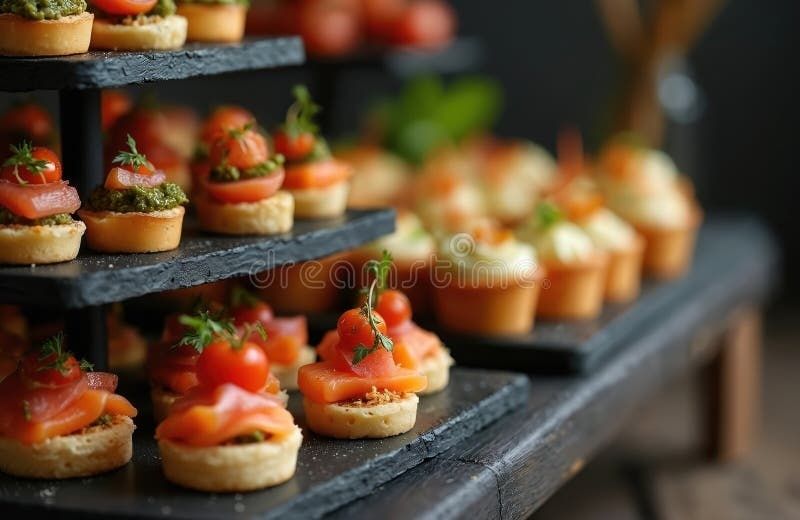
| Tea sandwiches and savory tartlets | They are filling, neat to eat, and easy to portion. | Use smoked salmon, cucumber, egg salad, roasted vegetables, or herbed chicken. |
| Cheese, fruit, and crispbread | The arrangement looks abundant without requiring cooking during the show. | Include one bold cheese, one mild cheese, grapes, dried fruit, and a sharp preserve. |
| Room-temperature skewers | They deliver a substantial bite without plates and cutlery. | Try tomato and mozzarella, chicken with lemon, or roasted vegetables with herbs. |
| Decorated popcorn and snack mix | They preserve the movie-night connection while adding personality. | Offer separate bowls of buttered popcorn, chili-lime popcorn, and chocolate-coated crunch. |
| Small desserts | Guests can choose one bite without interrupting the finale. | Serve mini madeleines, chocolate truffles, citrus bars, or petite apple pastries. |
Paper Goods and Ballots with Red Carpet Polish
Paper details can make a living-room party feel designed rather than improvised. Ordinary printer paper often curls, smudges, and disappears beneath snack plates. Instead, print ballots on heavier stock, trim the edges cleanly, and use a restrained palette such as ivory, black, gold, or deep burgundy. A small monogram, star motif, or simple border creates the impression of a formal program without requiring elaborate graphic design.
Formal event archives offer especially useful styling cues. The White House Calligraphy Office printed materials collection includes invitations, menus, programs, tickets, and accompanying cards produced for official events. Its surviving examples demonstrate how typography, spacing, hierarchy, and paper quality can communicate occasion. For a watch party, that might mean a clean title card, a compact menu, and a ballot that feels like a keepsake program rather than office paperwork.
- Use a consistent type system: Pair one elegant serif headline font with a highly readable body font.
- Print category ballots: Include major awards plus a few playful predictions, such as best acceptance speech or most dramatic reaction shot.
- Create personalized scorecards: Add each guest”s name and a line for a pre-show prediction.
- Prepare a running menu card: Label cocktails and bites so guests can serve themselves without repeated questions.
- Protect the paper: Place ballots on clipboards, hardback menus, or small boards, and provide fine-tip pens that will not bleed.
- Turn the stationery into a favor: Give guests their completed scorecard at the end of the night as a compact memento.
Take Your Seat for the Opening Monologue
The smoothest awards party is largely won before the broadcast begins. Batch the drinks, portion the food, test the screen, arrange the seating, and place ballots where guests can reach them immediately. Room-temperature dishes remove the pressure of last-minute heating, while a self-serve bar keeps the host from becoming a bartender. Commercial breaks then become brief maintenance windows rather than frantic rescue missions.
With the living room arranged as an inviting cinema lounge, the evening can carry genuine red carpet energy without sacrificing comfort. Dim the lights, keep the screen unobstructed, add one or two cinematic details, and let the broadcast provide the spectacle. The reward is simple and lasting: a host who remains present for every envelope, every surprise, and every musical number, surrounded by guests who can savor the ceremony instead of watching it from the kitchen.