
How to Master Black Tie Without the Panic: A Red Carpet Insider’s Blueprint

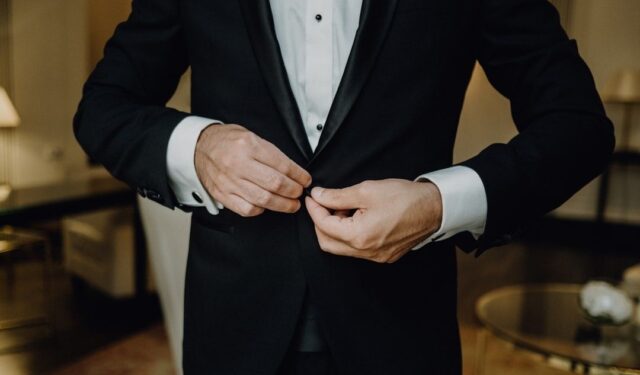
Person fastening the front button of a classic black tuxedo jacket

How to Master Black Tie Without the Panic

Why does a black tie invitation create more dread than anticipation? The answer is usually not a lack of style, but a lack of certainty. Terms such as “formal,” “black tie,” and “evening wear” can sound like a test with invisible rules, especially when the event promises cameras, influential guests, or a ballroom filled with people who appear to have dressed for an awards-season finale.

The good news is that black tie is less mysterious than it looks. Its cinematic lineage runs from Old Hollywood premieres, where dinner jackets and sweeping gowns helped define glamour, to modern galas that reinterpret those codes through sharper tailoring, sculptural silhouettes, and expressive color. The essential mindset shift is simple: formalwear should not make you feel like you are wearing a costume. It should make your best proportions, preferences, and presence unmistakably visible.

Decoding Formal Silhouettes Across the Spectrum

A classic tuxedo is defined by construction, not merely by its black color. The key signal is satin or grosgrain silk on the lapels, trouser braid, and often the buttons. A single-button jacket with peak or shawl lapels offers the cleanest formal line, while a spread-collar white shirt, black bow tie, covered waistband, and polished black shoes complete the traditional formula. A standard business suit may be beautifully made, but it generally lacks those satin details and is therefore not a true substitute when an invitation explicitly says black tie.

For women and anyone choosing a gown-based interpretation, black tie traditionally points toward a floor-length evening dress. That does not mean every formal look must be a column of black fabric. A full skirt, a fluid silk gown, a velvet dress, or a carefully embellished silhouette can all work when the proportions feel intentional. Architectural ball gowns create the most theatrical effect through corsetry, volume, and a defined waist. A tailored formal jumpsuit or women”s tuxedo provides a modern alternative, particularly when it uses luxurious fabric and a strong, uninterrupted line. When evaluating your formal wardrobe options, curated evening dresses and tuxedos can help establish which silhouette feels most natural before you commit to accessories or alterations.

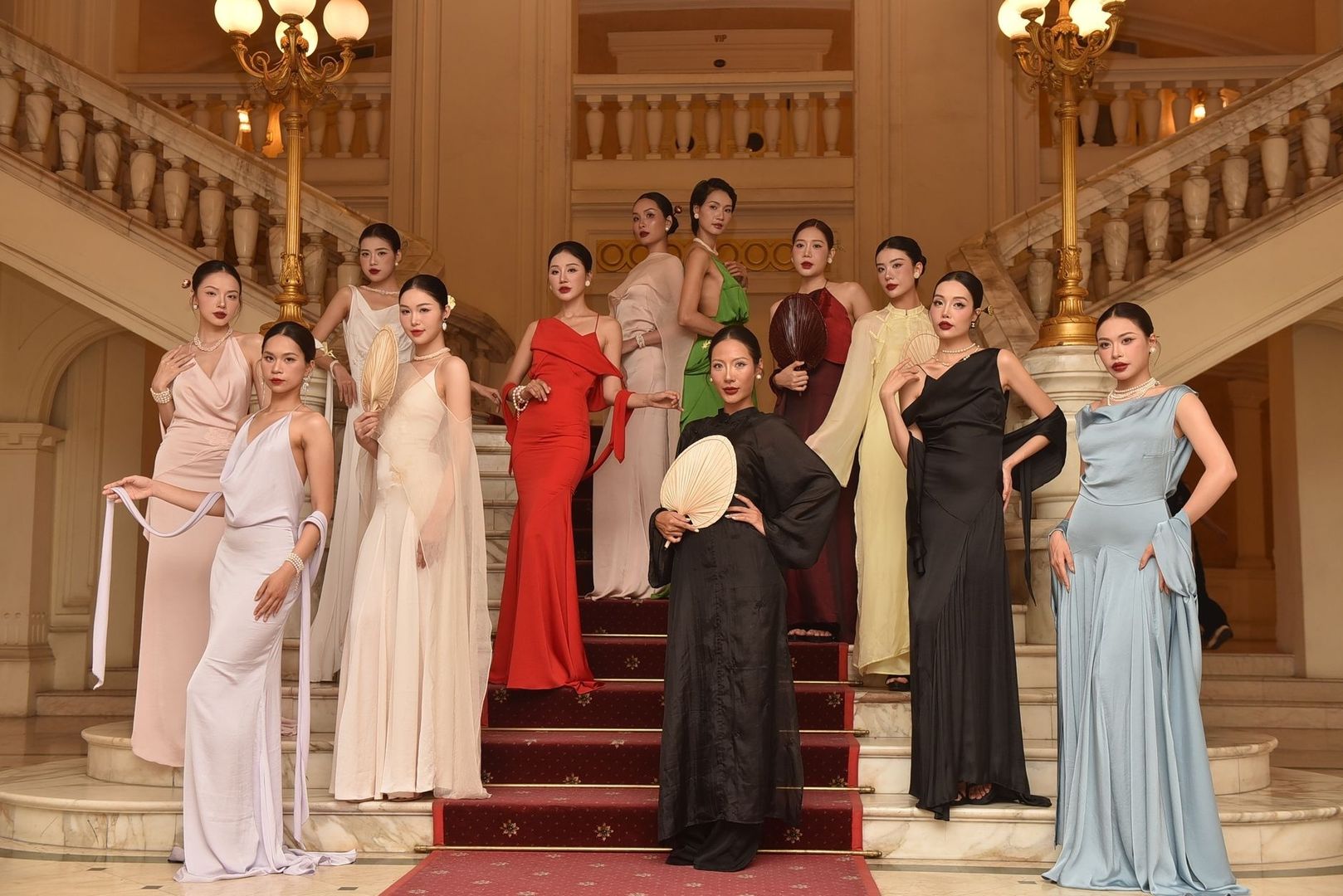
Models in elegant evening gowns pose on a grand marble staircase
The strongest formal looks balance occasion-appropriate glamour with a silhouette that feels deliberate, comfortable, and distinctly personal.
Classic evening element Modern red carpet interpretation
Black wool tuxedo Midnight blue, deep burgundy, textured black, or a subtle jacquard
Peak or shawl lapels Sculpted, oversized, or contrasting lapel treatments
Floor-length gown Structured jumpsuit, tailored column, or dramatic architectural ball gown
Black bow tie Self-tie bow, tonal neckwear, or a deliberately minimal open collar where permitted
Classic patent shoes Velvet slippers, crystal-accented loafers, or sharply polished formal oxfords

The safest way to interpret the spectrum is to read the invitation and assess the venue. A state-room gala, museum fundraiser, or formal evening wedding usually rewards traditional restraint. A fashion benefit, film premiere, or creative wedding may welcome jewel tones, dramatic sleeves, brocade, or a statement jacket. The goal is not to outshine the host. It is to understand the occasion well enough that experimentation looks deliberate rather than accidental.

The Tactile Power of Velvet, Mikado, and Silk

Fabric is where formalwear gains its cinematic depth. Velvet, with its dense pile and changing surface, has a particularly strong evening history. Early smoking jackets were associated with private rooms and cigar culture, and their dense texture helped absorb lingering tobacco smells. Over time, the smoking jacket became more decorative, while the dinner jacket evolved as a more comfortable alternative to the tailcoat. Contemporary velvet dinner jackets now resemble formal tuxedo jackets in cut, even when they introduce navy, burgundy, racing green, or another rich shade.

Velvet is especially effective at autumn and winter galas because it has visual weight and tactile warmth. It is generally less formal than a classic black wool tuxedo, so it may not be the ideal choice for the most traditional ceremony or diplomatic occasion. At a gala with some stylistic latitude, however, a velvet jacket can deliver red carpet energy without requiring an elaborate outfit. Keep the supporting pieces quiet: black tuxedo trousers, a crisp white shirt, and restrained accessories allow the fabric to provide the wow factor.

Mikado silk creates a different kind of drama. Compared with lightweight satin, heavy Mikado has enough body to hold pleats, preserve architectural volume, and support a sculpted bodice. A strapless ball gown with a corset panel and full pleated skirt is an iconic example of how fabric weight can turn a simple color into a commanding silhouette. Structured corsetry also helps drapery fall cleanly, though it should never restrict breathing, sitting, or movement through a long evening.

  • Velvet adds depth, absorbs light, and works especially well in cool weather.
  • Mikado silk supports volume, pleats, corsetry, and crisp architectural shaping.
  • Silk satin reflects light beautifully but requires careful fit because ripples are highly visible.
  • Chiffon and lace create softness, though they need thoughtful lining and construction to avoid appearing flimsy.
  • Wool remains the most versatile tuxedo fabric because it holds a clean line across seasons.

Bright event lighting exposes weak fabric choices quickly. Thin material may cling, wrinkle, or appear flat in photographs, while a substantial weave gives the garment presence from the ballroom entrance to the final flash. Vogue”s black tie dress code guide similarly emphasizes evening fabrics such as velvet, chiffon, silk, and lace, while noting that the venue, invitation, and host”s expectations should guide the final interpretation.

The Practical Art of Luxury Rental and Tailoring Hacks

Rental can be the smartest route to a convincing formal look, especially when the event calls for a garment that would otherwise sit unworn for years. The crucial distinction is between renting a garment and simply wearing it straight from the box. A rented tuxedo or gown becomes persuasive when the shoulders, sleeve length, trouser break, waist, and hem are adjusted to the wearer”s body.

Temporary alterations can create a surprisingly bespoke effect. Trouser hems may be adjusted with discreet temporary tape, a loose waistband can be secured with a professional clip or carefully placed alteration, and dress straps can be stabilized with fashion tape. These are refinements, not substitutes for proper tailoring. Anything that changes the garment”s structure, pulls at a zipper, or compromises movement should be handled by a tailor or returned for a better size.

Subscription services and specialist rental houses can also provide access to designer accessories, handbags, jewelry, and formalwear without the full retail cost. Services profiled by Vogue”s rental guide range from multi-item clothing memberships to accessory-focused options. Compare cleaning policies, delivery windows, insurance terms, alteration allowances, and replacement costs before booking. A low headline price is less appealing if a late shipment leaves no time for correction.

  1. Test the full outfit early. Try on the garment with the intended shirt, undergarments, shoes, and accessories at least several days before the event.
  2. Steam, do not scorch. Use a steamer on suitable fabrics, keep distance from velvet, and follow care instructions for delicate silk or embellished pieces.
  3. Pack fabric tape and pins. These can secure a slipping strap, stabilize a pocket square, or prevent a shirt gap, but test them on an inconspicuous area first.
  4. Match shoes before hemming. Trouser length and gown hems depend on the actual footwear, including heel height and sole thickness.
  5. Plan the return. Keep the original packaging, note the return deadline, and avoid spills or improvised cleaning that could create damage fees.

The rental preparation checklist should also include the venue itself. Outdoor arrivals require a weather plan, while historic buildings may involve cobblestones, stairs, or long walks between transportation and the entrance. A formal garment should look composed in motion, not only while standing still under ideal lighting. Comfort is not a compromise here. It is part of the tailoring strategy because discomfort changes posture, expression, and confidence.

Finishing Touches That Command the Room

Accessories should complete the silhouette rather than compete with it. A self-tie bow tie has a subtle irregularity that looks more natural than a perfectly manufactured pre-tied version, and learning to tie one is a small ceremony that immediately clarifies the evening”s tone. For a gown, minimalist jewelry can sharpen a sleek neckline, while an architectural cuff, sculptural earrings, or a dramatic brooch can supply a single controlled focal point.

  • Choose one hero detail, such as velvet, a jeweled earring, a sculpted lapel, or an expressive clutch.
  • Use black, midnight blue, metallic, or deep jewel tones to keep statement pieces connected to eveningwear.
  • Select a small bag that holds essentials without distorting the gown or jacket line.
  • Coordinate metal finishes across jewelry, cuff links, watch details, and hardware when possible.
  • Carry practical supplies discreetly, including blister patches, breath mints, and a compact sewing kit.

Footwear must survive the ballroom as well as the photograph. Patent leather oxfords, formal loafers, and polished pumps offer traditional red carpet polish, but the best choice also provides stable footing and enough cushioning for hours of standing. Avoid debuting painful shoes at the event. Wear them indoors beforehand, check for slipping, and consider thin comfort insoles that do not alter the fit. On a dance floor, shoes stay on; elegance includes respecting the venue and protecting your feet properly.

Finally, borrow posture from Golden Age screen icons without imitating their costumes. Think of the lifted sternum, relaxed shoulders, measured pace, and calm pause before entering a room. Cary Grant”s formalwear looked effortless because the line from collar to shoe was controlled. Grace Kelly”s gowns seemed regal because her movement never fought the fabric. Stand tall, keep the chin level, and allow the garment to move. Poise is the invisible tailoring that makes every visible detail work.

Step onto Your Own Red Carpet with Absolute Poise

Formal dressing is a celebration of self-expression within a shared social language. The rules matter because they show respect for the host and the occasion, but they are not designed to erase individuality. A midnight blue tuxedo, a velvet dinner jacket, a sculptural gown, or a formal jumpsuit can all feel correct when the choice responds intelligently to the event”s level of formality.

Start with fit, then consider fabric, finish, shoes, grooming, accessories, weather, and comfort. Check the outfit in natural light, photograph it from several angles, and practice sitting, walking, and entering through a doorway. When those details are settled, the price tag becomes far less important. The enduring legacy of great formalwear is not extravagance for its own sake. It is the confidence created when every element feels intentional. Arrive early, enjoy the music, accept the compliments, and let the ceremony of the evening become part of the look.

What Did “Omnia” Promise Audiences? From Omnia‑Pathé to Today’s “Everything” Cinema

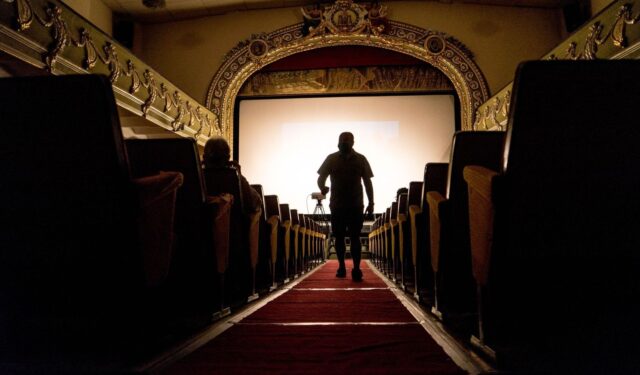
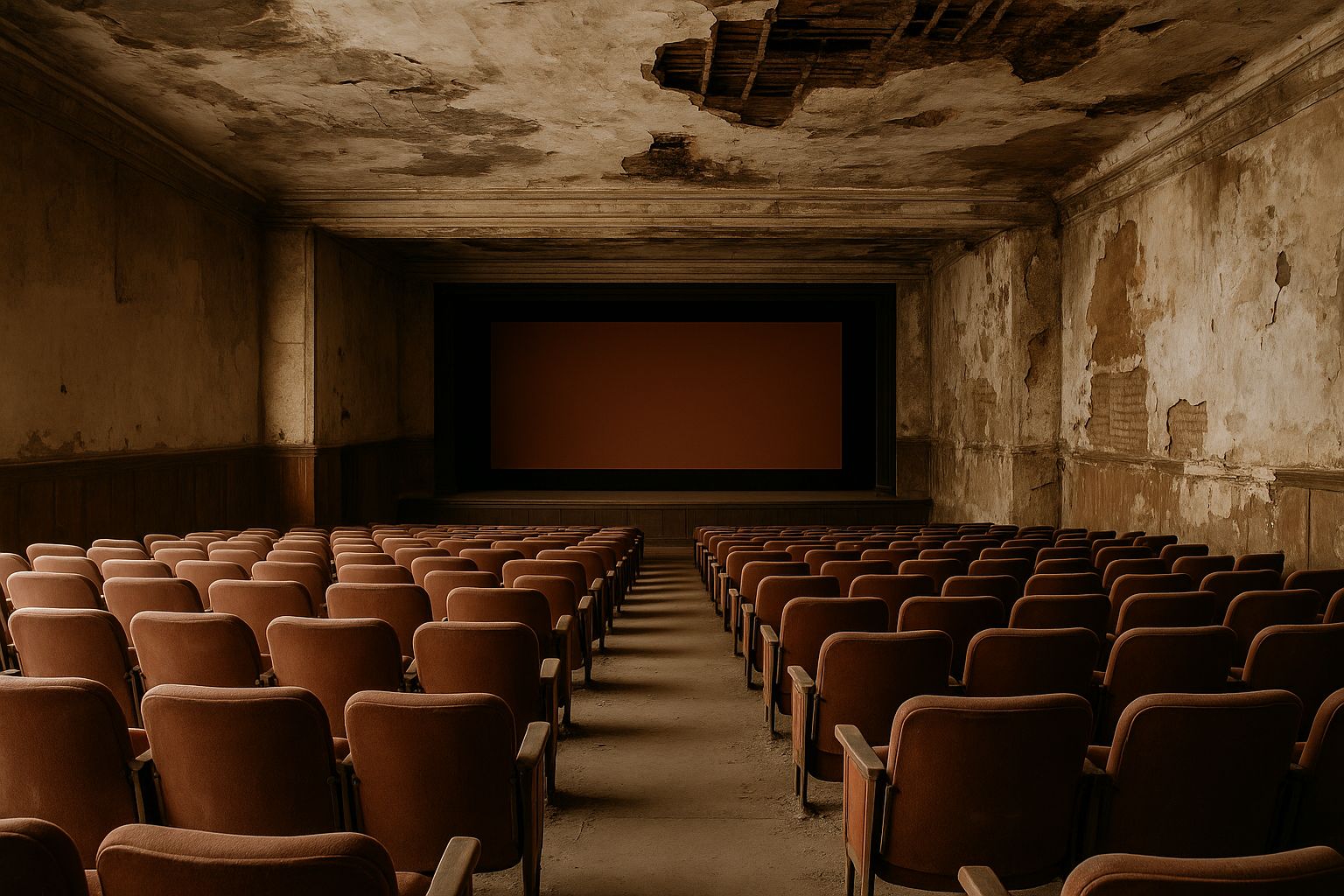
Grand, ornate cinema auditorium with a large screen and empty seats.

What Did a Ticket to the ‘Everything’ Cinema Actually Buy You?

Picture a bustling Paris boulevard in 1906. A well-dressed crowd files into the ornate Omnia-Pathé theater, drawn by promises of a complete evening’s entertainment under a single roof. What exactly were they about to experience? Unlike today’s carefully marketed single-feature screenings, an Omnia ticket meant something radically different: a curated variety program that could last hours, blending news, comedy, drama, travel footage, and a featured attraction into one continuous show. This wasn’t just a movie—it was the cinematic equivalent of an everything store, long before that phrase entered our retail vocabulary.

The Omnia-Pathé brand, launched by the French media giant Pathé during the company’s explosive growth in the early 20th century, pioneered a foundational promise that has continuously evolved through the American multiplex, premium large formats, and today’s on-demand streaming platforms. The concept of delivering comprehensive variety in one package forms the DNA connecting those early silent-era programs to the endless scroll of Netflix’s homepage. What follows is a journey through more than a century of cinema exhibition, tracing how the ‘everything’ promise has adapted to changing technologies, audience expectations, and competitive pressures while remaining remarkably consistent at its core.

Inside the Original ‘Everything’ Program

A typical Omnia-Pathé screening in the 1910s delivered far more than a single story. Audiences settling into their seats could expect a carefully structured variety package designed to appeal to multiple sensibilities within a single household. The program might open with a newsreel—Pathé pioneered this format in 1908—offering glimpses of current events from around the globe. Coronations, sporting events, natural disasters, and political gatherings flickered across the screen, bringing distant worlds into the neighborhood theater. Following the news, a short comedy might lighten the mood, perhaps featuring slapstick performers whose physical humor transcended language barriers in the silent era.

The middle portion of the program typically featured travelogues—exotic footage from colonial territories or European landmarks—and perhaps an installment of a dramatic serial, those cliffhanger narratives that guaranteed return business week after week. Only then would the main feature appear, often a dramatic production or longer comedy that served as the evening’s centerpiece. This structure created a rhythm of engagement, moving audiences through different emotional registers and subject matter, ensuring that even if one segment didn’t captivate, another would. The commercial logic was brilliant: by offering multiple genres and lengths, Pathé theaters appealed to the widest possible demographic and created natural word-of-mouth opportunities as patrons discussed their favorite segments.

To make this concrete, imagine a hypothetical 1912 program listing:

  • Pathé-Journal: Ten-minute newsreel featuring footage of the Balkan conflicts and the launch of the RMS Titanic
  • Max Takes a Bath: Five-minute comedy short starring Max Linder
  • Fantômas, Episode 3: Twenty-minute installment of the popular crime serial
  • Wonders of the Swiss Alps: Eight-minute travelogue with tinted scenes
  • Queen Elizabeth: Forty-minute dramatic feature starring Sarah Bernhardt

This variety-pack approach represented a fundamental shift from earlier film exhibition practices. In the 1890s and very early 1900s, according to research on early cinema history, films were often presented as single-subject novelties at fairs, vaudeville houses, or penny arcades. Pathé revolutionized the experience by creating a curated, theater-specific program that elevated moviegoing from a curiosity to a respectable leisure activity worthy of dedicated venues and repeat visits. The ‘everything’ program became the standard exhibition model for decades.

The Multiplex Reinvents the Promise of Variety

Fast-forward to the 1970s, and the cinema landscape faced a crisis. The grand single-screen movie palaces that had dominated mid-century exhibition were struggling. Television had decimated weekly attendance, and audience tastes were fragmenting in ways that made programming a single feature increasingly risky. The solution arrived in the form of the multiplex—not a revolution, but an evolution of the Omnia-Pathé philosophy adapted to new architectural and economic realities. Instead of offering variety within a single program, the multiplex delivered variety across multiple screens under one roof.

This spatial reconfiguration of the ‘everything’ promise proved remarkably effective. A single building could simultaneously screen a blockbuster action film, an intimate drama, a family comedy, and perhaps a horror film, each finding its niche audience without competing for the same seats. The multiplex became the new town square for entertainment, fulfilling the same democratic function as those early French variety programs: something for everyone, ensuring that families and friend groups with divergent tastes could still gather at a common destination. The decline of appointment-viewing monoculture—when everyone saw the same film—was offset by the rise of choice within a centralized hub.

This principle of a centralized hub offering diverse resources wasn’t limited to entertainment. The modern business world relies on a similar philosophy, where a well-structured corporate intranet platform like Omnia provides employees a single point of access to company news, resources, tools, and communications—essentially delivering professional variety and utility through one integrated system. Whether in cinema or corporate environments, the ‘everything’ model reduces friction and increases engagement by consolidating access.

How to Spot ‘Omnia’ DNA in Your Local Theater

Walk into any modern cinema complex and the Omnia-Pathé legacy reveals itself in multiple ways. Use this quick checklist to identify how thoroughly today’s theaters have inherited and adapted the ‘everything’ promise:

  1. Multiple genres playing simultaneously: Action, comedy, drama, horror, animation, and documentary titles all available at staggered showtimes
  2. Tiered experience options: Standard screens alongside premium formats like IMAX, Dolby Cinema, or 4DX, offering choice in how you consume the same content
  3. Pre-show variety programming: Advertising, trivia games, behind-the-scenes featurettes, and trailers function as the modern equivalent of newsreels and shorts
  4. Expanded concession variety: Far beyond popcorn and soda, today’s theaters offer gourmet foods, alcoholic beverages, and sometimes full restaurant service, extending the ‘everything’ experience beyond the screen
  5. Event programming: Live broadcasts of opera, sports, concerts, and gaming tournaments diversifying what a “movie theater” can present

The evolution of cinema technology represents a constant push toward more immersive and varied options, a trend tracked closely by the European Audiovisual Observatory and other industry regulators who study how exhibition adapts to digital opportunities while maintaining cultural and social value. Each technical advancement—from sound to color to digital projection to premium formats—has expanded rather than replaced the variety proposition.

From Premium Formats to the Living Room Couch

The latest evolution of the theatrical ‘everything’ promise manifests in premium large formats that proliferate across modern multiplexes. IMAX screens dominate with floor-to-ceiling images and precisely calibrated sound systems. Dolby Cinema adds laser projection and haptic seating. ScreenX wraps imagery across three walls for an immersive surround experience, while 4DX adds motion, scents, and environmental effects. These aren’t just superior presentations—they represent a new dimension of variety, offering audiences a choice of how they experience the same narrative content. Want the director’s intimate vision? Choose a standard screen. Crave sensory overload? Book the premium format. The menu of options has never been broader.

Yet even as physical theaters expanded their variety offerings, a seismic shift was brewing. The rise of streaming platforms represented perhaps the ultimate expression of the Omnia-Pathé legacy—a digital ‘everything store’ that made the multiplex’s dozen screens seem quaint by comparison. Netflix, Max, Apple TV+, and their competitors offer thousands of titles instantly accessible, with intuitive interfaces that curate personalized variety programs for each viewer. During awards season, this abundance becomes particularly striking as studios release acclaimed films simultaneously or exclusively on streaming platforms, creating virtual screening rooms accessible from any couch.

This fundamental transformation of how exhibition moved from theaters to streaming platforms has redefined not just where audiences watch, but their entire relationship with cinema as a medium. The theatrical experience once guaranteed a shared cultural moment—everyone in the auditorium experienced the same program at the same time. Streaming atomizes that collective experience into millions of individual viewing decisions, yet paradoxically delivers on the Omnia promise more completely than ever before. The variety available at any moment is functionally infinite, the program personalized, the access frictionless. Whether this represents progress or loss remains hotly debated among cinema purists and digital natives alike.

The ‘Everything’ Experience Continues Its Evolution

From the variety programs projected in ornate Parisian theaters to the algorithmic recommendations populating streaming homepages, the throughline is unmistakable. The Omnia-Pathé model established a fundamental expectation that cinema exhibition should deliver comprehensive entertainment options, not merely a single offering. The multiplex adapted this by spreading variety across physical spaces rather than sequential time. Streaming platforms have taken the concept to its logical extreme, offering effectively unlimited variety on demand. Each iteration has responded to its era’s technological capabilities and competitive pressures while maintaining the core promise: something for everyone, accessible through a single point of entry.

The desire for choice, novelty, and a comprehensive entertainment package has proven to be a constant driver of the film industry for over a century. What will the next iteration of the ‘Omnia’ promise look like as we move deeper into an age of artificial intelligence curation, virtual reality experiences, and interactive media that blurs the line between viewing and participating? Will we see hyper-personalized theatrical experiences with AI-edited programs? Virtual cinemas that feel communal despite geographic separation? The foundational concept—delivering everything audiences want through technological and curatorial innovation—seems likely to endure even as the delivery mechanisms continue their relentless evolution. Some interactive features and historical clips referenced in this article may require you to enable Javascript in your browser.

The Evolution of Method Acting in Cinema

Method acting, a technique celebrated for its immersive portrayals and intense preparation, has left an indelible mark on cinematic performance. Originating in Russian theatre with Konstantin Stanislavski’s revolutionary ‘system,’ it journeyed to America, transforming into what became known as ‘Method’ acting. This article explores this transformative journey, examining its origins, key figures, impact on film genres, criticisms, and enduring legacy.

Konstantin Stanislavski’s Groundbreaking System

The story begins with the visionary Russian actor and director Konstantin Stanislavski, who, in the late 19th and early 20th centuries, sought to revolutionize acting. Discontent with the prevalent theatrical styles, often characterized by exaggerated gestures, Stanislavski developed a ‘system’ focused on psychological realism and emotional truth. He urged actors to delve into the character’s inner life, exploring motivations and experiences. His meticulous studies and observations led to the co-founding of the Moscow Art Theatre (MAT) in 1897, aiming for unprecedented realism, a vital precursor to cinematic acting. Stanislavski’s system incorporated elements from various theatrical traditions, including the Meiningen company’s ensemble work, the Maly Theatre’s actor-centered realism, and André Antoine’s naturalistic staging.

Exploring Stanislavski’s System

Stanislavski’s system provided a framework for actor training. Core principles included the ‘magic if,’ prompting actors to consider: ‘What would I do if I were in this character’s situation?’ This fostered deeper connection and authentic reactions. He emphasized understanding the ‘given circumstances’ – the character’s world, background, and relationships. Identifying ‘objectives’ (what a character wants in a scene) and the ‘super-objective’ (the overall goal) clarified motivation. ‘Emotional memory‘ (or affective memory), where actors used personal memories, was explored, though Stanislavski later emphasized physical action as a pathway to emotional truth. He also stressed the importance of subtext. This meticulous approach revolutionized acting, preparing it for the screen.

From Russia to American Method

The Moscow Art Theatre’s U.S. tour in the 1920s marked a turning point. Lee Strasberg, Stella Adler, and Harold Clurman were profoundly inspired, leading to the formation of the Group Theatre in the 1930s. This ensemble sought to create a uniquely American theatre, adapting Stanislavski’s principles. The Group Theatre became a crucible for what would be termed ‘Method acting’ in America, fostering talents like Elia Kazan. The version of Stanislavski’s system that reached America was largely based on his earlier work, leading to diverse interpretations. A key divergence arose between Strasberg and Adler. Strasberg emphasized the psychological aspects, especially affective memory, urging actors to delve into personal experiences. Adler, after studying with Stanislavski, championed imagination and understanding the character’s circumstances. She argued against over-reliance on personal emotional recall, deeming it potentially harmful and not fully representative of Stanislavski’s broader approach. This schism significantly influenced Method acting’s American trajectory.

Method Acting’s Cinematic Ascent

As cinema evolved, method acting migrated from stage to screen. John Garfield is often considered the first method film star, adapting his stage training for the camera’s intimacy. He internalized performances, letting subtle expressions reveal the character’s inner life. This contrasted sharply with early Hollywood’s more theatrical styles. Actors like Marlon Brando and Montgomery Clift in the 1950s solidified Method acting’s cinematic presence. Brando, though trained by Stella Adler and not a ‘Method actor’ in the Strasbergian sense, became an icon of the style. His performances in ‘A Streetcar Named Desire’ and ‘On the Waterfront’ showcased raw naturalism, colloquial speech, emotional subtext, and authentic physicality, influencing generations.

Brando’s Kowalski A Defining Moment

In ‘A Streetcar Named Desire,’ Brando’s Stanley Kowalski epitomizes Method acting’s impact. When Stanley overhears Blanche’s criticisms, Brando avoids exaggerated rage. Instead, subtle shifts – a tightened jaw, a flicker of hurt in his eyes, a subtle vocal tremor – convey simmering resentment and wounded pride. This nuanced portrayal, drawing on Adler’s teachings, demonstrated Method acting’s power to create raw, unfiltered realism on screen.

Method Acting’s Impact and Influence on Film Genres

Method acting profoundly influenced various film genres. In film noir, the emphasis on psychological realism and morally ambiguous characters found a perfect match in Method actors’ nuanced performances. The intensity and internal conflict they brought to roles heightened the genre’s characteristic tension and moral ambiguity. The New Hollywood movement of the 1960s and 70s, with its focus on realism and character-driven narratives, became a showcase for Method acting. Films like ‘The Godfather‘ featured actors with diverse Method backgrounds: Al Pacino (trained by Strasberg), Robert De Niro (trained by Adler), and others influenced by Sanford Meisner. Pacino’s Michael Corleone, with his internal struggles and subtle shifts, exemplifies Strasberg’s emphasis on subtext. De Niro’s young Vito Corleone in ‘The Godfather Part II’ showcases Adler’s focus on research and embodying the character’s context. Even independent cinema, with its emphasis on character studies and unconventional narratives, benefited from Method acting’s focus on authenticity and emotional depth.

Pacino’s Michael: A Study in Power

Al Pacino’s portrayal of Michael Corleone in ‘The Godfather’ offers a masterclass in subtle transformation. Initially detached from his family’s criminal world, Pacino conveys this with relaxed posture and a gentle voice. As Michael becomes involved, Pacino subtly alters his physicality and voice – his gaze intensifies, movements become deliberate, his voice lower. The scene of Michael’s first murder reveals internal conflict and chilling resolve through subtle shifts in expression, reflecting Strasberg’s teachings.

De Niro’s Vito: Immersion in Context

Robert De Niro’s performance as young Vito Corleone in ‘The Godfather Part II’ exemplifies Adler’s emphasis on research and context. De Niro spent months in Sicily, learning the dialect and immersing himself in the culture. This preparation is evident in his physicality, mannerisms, and mastery of the dialect, creating a deeply authentic portrayal. His negotiation with Fanucci demonstrates meticulous attention to detail, reflecting the character’s cunning within his environment.

Diverse Perspectives on Intense Commitment

The intense commitment associated with Method acting has sparked debate. Robert De Niro’s weight gain for ‘Raging Bull’ exemplified actors pushing physical boundaries, raising health concerns. While some, like Mads Mikkelsen, have criticized extreme immersion as ‘pretentious,’ others acknowledge its potential benefits when approached responsibly. Many actors and acting coaches emphasize the importance of finding a balance between deep immersion and maintaining a healthy separation between the actor and the character. The core principle remains: the technique should serve the performance and the actor’s well-being, not the other way around. Brian Cox has expressed concern for the technique’s emotional toll.

Beyond the Method: Alternative Approaches

Method acting is one approach among many. Numerous successful actors utilize diverse techniques. Some prioritize external techniques, focusing on physicality and voice. Others emphasize imagination and intellectual analysis. The ‘Meisner technique,’ developed by Sanford Meisner, emphasizes instinctive reactions. Uta Hagen’s ‘substitution’ technique focuses on finding analogous personal experiences. The optimal approach depends on the actor, role, and director’s vision.

Method Acting’s Enduring Legacy and Future

Despite criticisms, Method acting’s legacy is profound. It ushered in an era of naturalistic, emotionally resonant performances, shifting from presentational acting to internalized portrayals. Its principles continue to influence actors and pedagogy. Contemporary actors often integrate various methodologies, balancing emotional connection with understanding objectives and actions. This reflects the evolution of Stanislavski’s ideas. The advancements in theater lighting and sound film also contributed to more subtle acting styles. While its dominance has evolved, Method acting’s influence remains vital. In the 21st century, Method acting continues to be adapted and integrated with other techniques. The rise of streaming platforms and long-form storytelling provides new opportunities for actors to explore character depth and development, often drawing upon Method principles. The focus on authenticity and emotional truth remains a driving force in contemporary performance, ensuring that Method acting, in its various forms, will continue to shape cinematic storytelling for years to come.

Contemporary Examples

Many contemporary actors draw upon Method principles, adapting them to their styles and modern filmmaking. Daniel Day-Lewis is renowned for his immersive approach. Joaquin Phoenix’s intense performances showcase deep emotional commitment. Christian Bale is known for dramatic physical transformations. These actors, while not strictly adhering to specific Method schools, demonstrate the enduring influence of its core principles: deep character exploration, emotional authenticity, and commitment to realism.

The Continuing Quest for Authenticity

The evolution of Method acting is a multifaceted journey. From Stanislavski’s quest for truthful performance to its interpretations and adaptations, Method acting has fundamentally altered how actors approach their craft and how audiences experience cinematic storytelling. It’s a story of exploration, debate, and refinement, reflecting the human fascination with portraying – and understanding – the complexities of human experience. The search for authenticity, Stanislavski’s driving principle, continues to resonate, reminding us that compelling performances connect us to the deepest truths of the human condition. This ongoing quest will continue to shape the future of film.

From the Red Carpet to Your Living Room

For those who enjoy movies, the awards season is a thrilling time of the year. Wondering whether your favorite film will be nominated for an Oscar? Or perhaps it’s finally time for a certain star to get the recognition they deserve. The main ceremonies are televised, so you can settle down at home and enjoy the entertainment in your own living room. A fun idea would be to recreate the red carpet atmosphere using movie-themed decor.

Decorating with Movie Posters and Memorabilia

If you are looking for inspiration, start with the posters from BGA, high-quality prints that will enhance any room. Add some old-fashioned glamor with retro and vintage posters; black and white images can create a stunning gallery wall. Don’t forget the frames, also available at BGA, a complete one-stop shop. Scroll through all the fabulous designs, maybe the image of Marlon Brando will catch your eye!

For an enjoyable evening, invite your friends, dress up in style, and pop open the Champagne! Guess who is going to win an award, just for fun. Your posters from BGA are sure to be a talking point and will add to the occasion.

Getting red carpet ready

When awards season is upon us the newspapers are filled with pages of images of Hollywood stars dressed in all the latest designer labels looking perfect. If you get the opportunity to go to an awards ceremony, you are sure to want to look your best. Here are a few tips to help you.

Get the look

There is a checklist of things that you should go through to make sure you get the red carpet look that you want. The first is to decide what you are going to wear. A designer dress is not always within the financial reach of everyone, but evening dresses can be hired. The same applies to the designer shoes that you’ll need to complete the outfit.

If you are unhappy with your figure at all then you might want to consider having some cosmetic enhancements. Surgery with Motiva is easy to arrange and will help you to achieve the silhouette you want. Details of the services offered by Motiva can be found online on their website.

Finally, there are all the finishing touches that you can complete on the day of the event. You can book a hair stylist and make-up artist to complete the look that you want. You can also arrange appointments with them in advance so that you can discuss the type of look that you want. Take along the details of your outfit, as this may affect the hairstyle that you settle on, or the make-up shades that you choose.

Awards

Top Cycling Movies You Should Watch

Road cycling is fun. At the heart of it are exploration and the freedom to discover new experiences, cultures, and places. But then, those who pull on bike shorts would confirm that the activity has another side: sweating and suffering. This is perhaps best highlighted in movies devoted to the activity.

Unlike BMX films that are full of a wow factor because of their fear-instilling descending trails and tricks, road cycling-focused movies will leave you with a sense of admiration for the sport. One thing that comes out clearly once you watch these films is the determination/grit road cyclists need to achieve their goals, whether winning the Tour de France or something else. Here are four of the best road cycling movies to watch.

A Sunday in Hell

Whether you’re new to cycling or a sports veteran, chances are that you know the cobbled Spring Classics, a 1977 movie that showcases the toughest of the Paris-Roubaix (1976 edition) from the eyes of the fans, organizers, and cyclists. While this is an old classic, the movie is still a must-watch. It depicts the 273-kilometer-long race whose results are absolutely brutal. From punctures and mechanical problems to several crashes and everything in between, this film has all it takes to leave you yearning to grab your bike.

The Flying Scotman

You wouldn’t believe it if someone told you that a Scottish bloke who built a bike from scrap metal went on to hold the world’s cycling record in the 90s. We’re talking about Graeme Obree, and the film, The Flying Scotman, is based on the star’s life. Its portrayal of one of the most unlikely stories in the cycling world can only inspire you.

Ice 2 Ice

Numerous records stand out in the ultra-distance cycling world, with completing a loop of the planet firmly occupying the apex. But following it closely is the 23,000-kilometer ride stretching from Alaska to Patagonia (the Pan-American highway). Already holding the record for cycling the length of the African continent in just 35 days, Michael Strasser, a professional Austrian cyclist, attempted to achieve the feat in 2018. Ice 2 Ice film documents Michael’s cycling adventure every pedal stroke of the way.

UnBRAKEable

When it comes to cyclists pushing themselves to the limit, very few people do it better than Patrick Seabase, a renowned Swish professional cyclist. He pitted himself against the grueling Tour de France in 2016, a race in which he had to clear five Pyrenean mountain passes with a single gear and without brakes. In his film, UnBRAKEable, Patrick lays bare the physical and mental challenges that take a toll on him during the race and how he coped with what he considers the most demanding feat in his life.

Yearning to grab a bike and hit the road? Before you do that, some inspiration is important, on top of the proper safety gear, bike shorts, and stuff like that. Yes, the four movies discussed in this peace are pure inspiration.

Casual Clothing At Entertainment Awards

When people think of award ceremonies for movies and theatre productions they may assume that it will be a black tie affair. Whilst this is sometimes true for higher profile events there are plenty of ones throughout the year that are smaller in scale. Consequently, they are less strict about the attire of the guests.

An Iconic Example

One of the most famous award shows is the Oscars which has become well known as a high fashion event. The female attendees are often seen wearing bespoke elaborate garments. This has led to a greater acceptance of informal attire at other ceremonies.

It is even possible to wear sport bras as an accessory. If this is the case then the person must find a suitable provider. AIM’N is a sport bra NZ based company which has a site filled with great looking items. Their catalogue is to appeal to actors, directors and crew members who get invited to events with the chance to win accolades.

The Need For Exciting New Fashion

Revealing attire will make a big impression on those at the ceremony. Guests tend to choose their outfit based on how it will differentiate them from the crowd. A simple dress is no longer enough. The wearer has to think outside of the box. They can work with a fashion designer to help come up with something truly unique. The sport bra may form the base layer or even be the dominant element of the entire ensemble.

However, not everyone can afford such extravagance. Luckily there are very cost effective options available on the internet. If someone is going to a movie or theatre awards then they can utilise the sport bra NZ based site AIM’N to find the right clothing options. It will appeal to guests of both small and large scale events.

Setting up a home cinema

You might be one of those lucky people who has plenty of space in their home and wants to set up a home cinema room. These are a great idea if you are entertaining on a regular basis – imagine having your friends around for a movie night – complete with pizza and a few beers – without the need to disturb anyone else in the house.

Room decor

As the focal point of the room is going to be the screen, you don’t need to go overboard with the decor. Opt for a large screen TV rather than a projector-type screen. The TV can then be used for streaming movies from online services such as Netflix and Prime. If you can, use a room that gets only a small amount of natural light. This means that the screen will not be distorted on bright, sunny days.

For the other walls, why not consider a few movie posters? There doesn’t need to be a huge amount – just one or two will do. Look online for a few bargains, maybe consider finding posters relating to some of the classic movies such as Gone With the Wind.

Consider comfort

It is possible to buy cinema-style seating and if you really want to create a cinema feel in your home then you may want to choose these. The advantage is that as they are connected together you will fit more of them in, which may be just what you are looking for if you want to host movie nights for ten people or more.

However, you could consider the ultimate in comfort and choose armchairs and sofas instead. A couple of two-seater sofas and a couple of armchairs will be just the thing for a family-sized evening of movies and relaxation. You don’t have to pay a great deal for these either. Why not consider purchasing second hand and then matching each piece using Ikea Karlstad sofa covers? The beauty of Ikea Karlstad sofa covers is that they are easy to fit and clean, so when the room needs a little spruce up it will not take long at all. The sofa covers can also be coordinated with the general decor in the room. If you’ve decided to go with neutral walls then pick out a color that works well with it. As an example, if the walls are a soft green, go with a darker green sofa cover with lighter colored pillows as a contrast.

It is important not to forget though that people will also need somewhere to put their drinks. If you’ve chosen armchairs and sofas you will need side tables next to each person so that they aren’t left holding their drink all evening. These will be the perfect finishing touch to the room and can also be painted to blend with the general decor.

A home cinema room is a great thing to have if you have the space and it is a good way to unwind at the end of a long day at work.

Plants in movies

If you have an interest in anything horticultural then you will have already noticed just how often plants of some kind play an important role in the outcome of famous movies. In some cases, these are fictional plants and these often feature in horror movies, so will pose some kind of danger to the characters, but occasionally there are perfectly innocent plants that help to form the backdrop of the movie.

Harry Potter

The Harry Potter movies are filled with plants. Some of them friendly and others are definitely ones that the characters need to keep an eye on. In the very first movie, we see the Devil’s Snare – a plant that is used to guard the Sorcerer’s Stone. This plant traps the three main characters and threatens the success of their mission, but they are able to free themselves when they figure out how it works. In the second movie, the Whomping Willow tree poses a danger to Harry and Ron when they crash a car into it. The plants used in the films are generally plants with familiar names but they are given magical qualities to challenge and help the characters.

Ordinary plants

It is amazing how many movies feature houseplants in the background. They add texture to the set, particularly when the movie’s scenes are in someone’s home. Anyone with an interest in plants can have a little fun trying to identify different plants that appear. These movies are not the best way to pick up plant care tips though so if you want to know how to repot zz plants then you may be better using a plant care app. Understanding how to repot zz plant is one of the key things you need to know. In fact, repotting any plant is key to their care and the right app will help you to understand when and how to do this.

The science of plants in movies

In The Martian, Matt Damon plays a botanist stranded on Mars. His skills help to keep him alive thanks to the plants he grew for food. Sean Connery played a doctor in Medicine Man, using plants found in the Amazon rainforest to try to find a cure for cancer. Both of these highlight the importance of plants for human life and health.

Movies are a great source of entertainment though and some of those mentioned here use plants as a key part of the storyline, showing just how big a role plants play in our lives and most of the time we aren’t even aware of it.

Beauty Secrets of the Stars

When strolling along the red carpet, surrounded by flashing cameras and adoring fans, even the most modest stars want to look good. Yet, with extended hours on set, time on the road, and a continual stream of awards and ceremonies to attend, keeping up with a strict beauty regime can be challenging.

Even sticking to a few simple staples can boost appearance dramatically, with the following advice offering tips and tricks to achieving glamour and beauty, celebrity style.

Rest and Water: Yes, this one is a total cliché, but the fact is that those who get plenty of rest and drink ample water look better than those who don”t.

Experiment with Products: Using the same old moisturizer day in day out is not the best approach to achieving skin perfection. After all, skin changes over time and needs different requirements depending on several factors, such as age and climate. A moisturizer high in retinol, for example, verso super facial serum, offers the best protection for long-term skin health.

Make Time to Exfoliate: Scrubbing the skin twice a week, or preferably daily, rewards with numerous benefits, from removing dead cells and reducing discoloration to nurturing an instant glow. Oscar-winner Halle Berry confessed to using ground coffee in her home-made scrub for increasing circulation and preventing cellulite.

Limit Stress:Another Hollywood powerhouse, Cate Blanchett, revealed the secret to her great complexion doesn”t merely lie with expensive products and treatments. An excellent skincare range can certainly help, but cutting out stress factors can be the key to looking fabulous. Her penchant for massages definitely helps in encouraging relaxation.

Turn to Nature: Balancing a hectic lifestyle with a healthy diet can be challenging, yet consuming adequate greens and curbing sugar intake and other toxins can make a dramatic impact. Emma Stone even turns to nature to help ease her sensitive skin, using grapeseed oil as a daily moisturizer.

vortex