
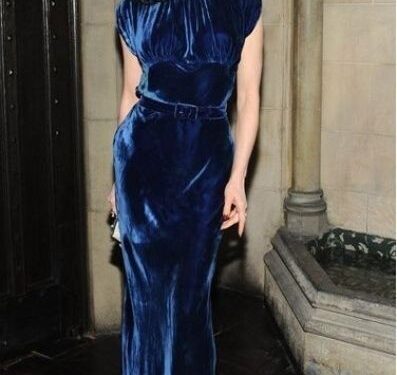
Redefining Dramatic Eveningwear for the Modern Gala
What separates cinematic glamour from costume drama? Often, it is not the fabric itself but the way that fabric is cut, balanced, and allowed to move. Velvet and silk carry instant associations with palace interiors, studio-era premieres, and awards season entrances under the spotlight. Yet the same qualities that make them alluring can make an outfit feel overly historical, especially when rich texture, sharp tailoring, elaborate accessories, and high shine arrive in the same look.
The modern answer is controlled contrast. Think deconstructed red-carpet tailoring rather than a faithful recreation of a period wardrobe: a softly structured velvet jacket with clean black trousers, a silk column gown with restrained jewelry, or a glossy shirt beneath a matte wool dinner suit. This guide considers pile, weave, drape, lining, temperature, and proportion so you can enjoy the tactile drama of luxury fabric without sacrificing ease. The goal is simple: retain the wow factor while making the clothes feel unmistakably current.
The Anatomy of Pile and Weave
Velvet”s enduring legacy begins with its construction. The fabric is made with a raised surface, or pile, created by weaving extra yarns into the cloth and then cutting or separating them to produce a dense, soft nap. That surface helped establish velvet as a courtly textile in Renaissance Europe, when silk versions were costly, labor-intensive, and closely associated with wealth and rank. Centuries later, velvet moved into evening jackets, opera attire, and the Victorian smoking jacket, where its plush surface offered both visual richness and a practical barrier against tobacco smoke.
The pile also explains velvet”s distinctive behavior under artificial light. Instead of reflecting light evenly like polished satin, it absorbs and redirects it across the nap. A sleeve can appear almost black from one angle and subtly luminous from another. This depth is especially effective in banquet halls, where chandeliers, flash photography, and warm spotlights can make flatter fabrics look harsh. A detailed account of the textile”s construction and history is available in this history of velvet.
Not all velvet delivers the same formal effect. Silk velvet is exceptionally soft, fluid, and luminous, but it can be delicate and expensive. Cotton velveteen has a shorter, often denser pile and a more matte appearance, making it useful for structured separates but less overtly glamorous. Synthetic blends can improve durability, stretch, and price accessibility, although their hand feel and breathability vary considerably. Before buying, examine the nap in daylight, bend the fabric to see how it recovers, and check whether the lining allows the garment to glide rather than cling.
- Silk velvet offers the richest softness and nuanced sheen, but requires careful storage and professional cleaning.
- Cotton velveteen tends to look matte and substantial, which can be excellent for jackets with modern tailoring.
- Synthetic blends may provide resilience and stretch, but fabric quality differs widely, so touch and movement matter more than the fiber label alone.
- A short, even pile usually reads more polished for black-tie dressing than a visibly crushed or uneven surface.
Drape Dynamics Comparing Eveningwear Silk and Velvet
Silk and velvet create drama through opposite movements. Silk charmeuse is fluid, cool to the touch, and inclined to follow the body. Satin, which describes a weave rather than one specific fiber, can produce a stronger reflective surface and a more polished evening effect. Heavy velvet, by contrast, has visual weight and body. It can hold a lapel, support a sculpted shoulder, or create a convincing column, but it does not ripple with the same lightness as charmeuse.
| Fabric | Silhouette | Breathability | Light play | Tailoring approach |
|---|---|---|---|---|
| Silk charmeuse | Fluid and body-skimming | Generally comfortable, though lining affects airflow | Soft, liquid glow | Requires clean finishing because wrinkles and seams show easily |
| Satin | Sleek, smooth, and sometimes structured | Varies by fiber and lining | High, directional shine | Benefits from precise fit and controlled volume |
| Heavy velvet | Architectural, plush, and substantial | Warmer and less airy | Deep, shifting luster | Works best with soft construction and uncluttered lines |
The most contemporary combinations use each fabric for what it does best. A silk blouse can soften a sharply cut wool trouser, while a velvet dinner jacket can provide depth above minimalist evening trousers. Avoid forcing both materials into an aggressively rigid silhouette. Velvet already supplies volume through texture, and silk already supplies movement through drape. Modern tailoring should edit those qualities, not compete with them.
Mastering Climate Control Under Gala Lighting
Formal dressing has its own thermodynamics. A winter gala may begin in cold outdoor air, move through a heated entrance, and end on a crowded dance floor beneath powerful lighting. Velvet retains warmth, which makes it appealing for cooler months, but that same insulation can become uncomfortable in a packed ballroom. Silk may feel lighter, yet a fully lined satin garment can trap heat, particularly when layered over shapewear or worn beneath a heavy jacket.
Lining is therefore a comfort decision as much as a construction detail. Cupro can provide a smooth, breathable-feeling interior that helps a jacket move across a shirt without the cling associated with some synthetic linings. Half-lined jackets reduce bulk and allow more airflow, while unpadded shoulders preserve a relaxed line. The ideal velvet jacket should feel luxurious without becoming armor. Look for side vents, a sleeve that permits natural arm movement, and enough room across the upper back to sit, greet guests, and dance.
- Choose a lightweight silk or fine wool base layer rather than adding unnecessary bulk beneath velvet.
- Use a half-lined or partially lined jacket when the venue is heated and the dress code permits a softer construction.
- Keep the shirt collar and cuffs clean and breathable, especially when a jacket will remain on throughout dinner.
- Carry a compact wrap, scarf, or fine evening layer for outdoor transitions instead of relying on a heavy coat indoors.
- Test the complete outfit by sitting, walking, and raising the arms before the event.
Deconstructing Hollywood Codes for Contemporary Black-Tie
Old Hollywood eveningwear often depended on a highly legible silhouette: a sweeping train, a defined waist, a satin lapel, a dramatic shoulder, or a floor-length column that announced its form from across a room. That vocabulary remains powerful because it photographs well and creates instant narrative. Yet modern red-carpet dressing is less concerned with reproducing one fixed era. Recent awards-season looks have paired classic tuxedo codes with unusual colors, relaxed proportions, sculptural shapes, brooches, and unexpected fabric combinations.

The evolution of evening dress shows how frequently formalwear changes while retaining recognizable rituals. The Victoria and Albert Museum guide offers useful context for understanding how social expectations, technology, and changing silhouettes have shaped evening clothes. The lesson for a gala attendee is practical: tradition provides the frame, but proportion and restraint determine whether the final image feels contemporary.
- Choose one dominant tactile statement. If the jacket is plush velvet, keep the shirt, trousers, and shoes comparatively quiet. If the gown is liquid silk, resist adding multiple glittering accessories.
- Modernize the silhouette. Consider a softly built jacket, a clean trouser with a moderate break, or a column dress without excessive ornament. Relaxed construction can look more current than exaggerated historical shaping.
- Use intelligent fabric pairing. High-gloss silk gains sophistication beside matte wool, crepe, or brushed cotton. A velvet dinner jacket looks refined with minimalist black evening trousers.
- Control the color story. Midnight blue, burgundy, wine, bottle green, and emerald can make velvet feel expressive without requiring elaborate decoration. Black remains the sharpest partner for a bold texture.
- Edit the accessories. A proper bow tie, restrained studs, a simple clutch, or one architectural earring may be enough. Velvet shoes, velvet bags, and velvet jewelry together can push the look toward theatrical excess.
- Check movement and comfort. The outfit should survive a coat check, dinner table, photographs, and the dance floor. If the fabric catches, overheats, or restricts the shoulders, the glamour will not last through the evening.
A velvet dinner jacket with black tuxedo trousers is a particularly reliable formula because it preserves the architecture of black tie while introducing texture and personality. A satin lapel can sharpen the contrast, while a self-faced velvet lapel creates a quieter, more tonal effect. For a less traditional host aesthetic, a silk scarf may replace the bow tie, but only when the invitation allows creative formalwear. The underlying rules still matter: the shirt must look intentional, the trousers must fit cleanly, and the shoes must support the formality of the fabric.
Step Into the Evening with Effortless Modern Polish
Velvet and silk do not need to be toned down to feel modern. They need space. Give velvet a clean silhouette and let its pile provide the depth. Give silk a precise cut and let its movement provide the drama. Pair glossy and matte surfaces thoughtfully, keep accessories edited, and choose construction that allows air and motion. This is how cinematic elegance becomes wearable rather than theatrical.
Before the gala, run a final checklist: confirm the dress code, assess the fabric weight, inspect the lining, test the fit while seated, and plan for the temperature shift between street and ballroom. The right look should create red carpet energy without demanding constant adjustment. When tactile confidence replaces rigid formality, the result is polished, comfortable, and entirely your own under the spotlight.